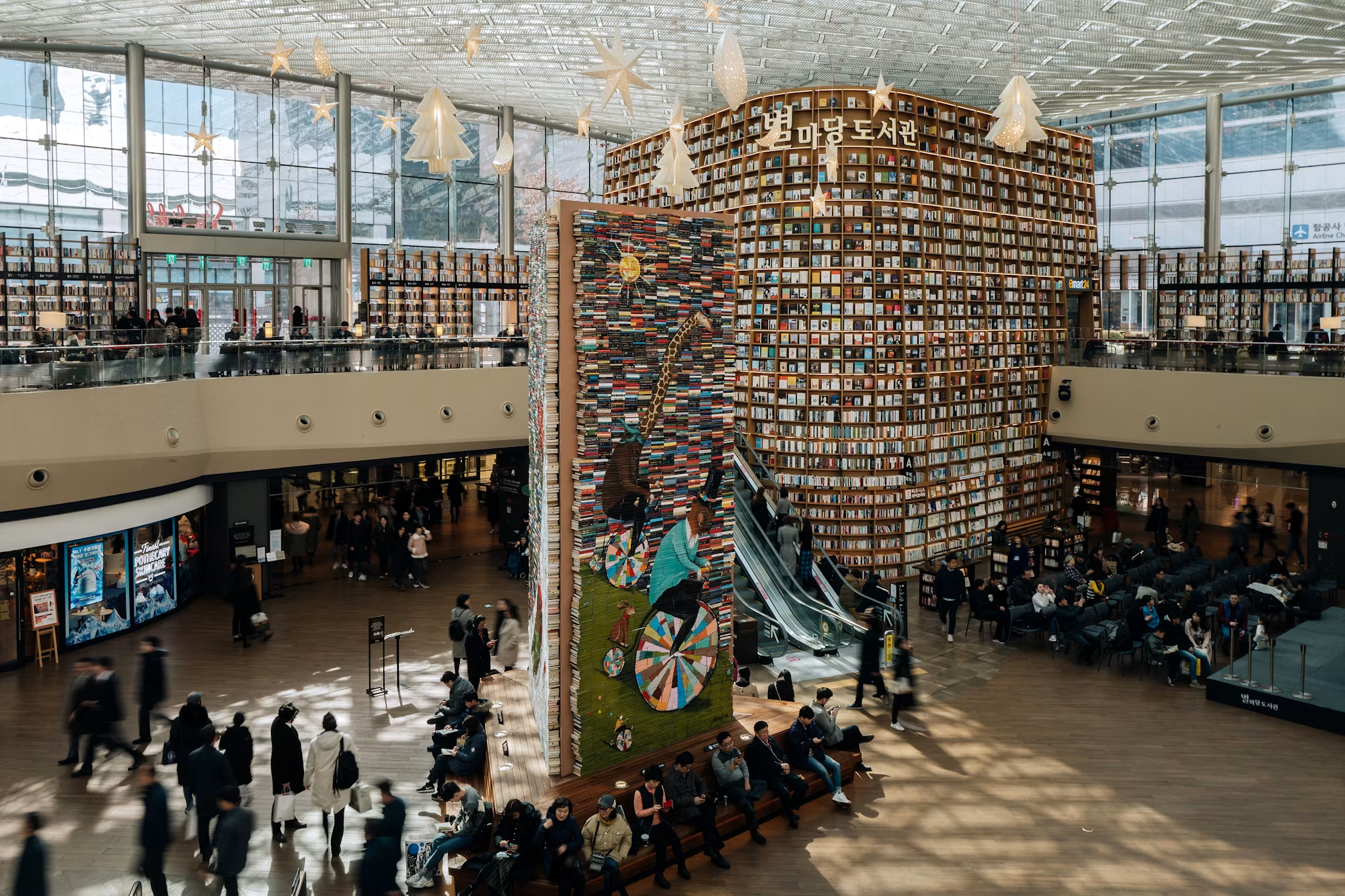
Libraries have always been vital to society, serving as gateways to knowledge and learning. However, the rapid advancements in technology and the changing landscape of information consumption have prompted libraries to evolve significantly. This article explores the transformation of libraries, highlighting how they have adapted to the needs of modern society, enhanced access to information, and fostered community engagement.
Historically, libraries have been viewed as quiet spaces filled with shelves of books. While this traditional image holds true in many respects, the reality of libraries today is much more dynamic. Public libraries, in particular, have taken on multifaceted roles that extend beyond merely lending books. They have become community centers that provide access to technology, educational resources, and various programs designed to meet the needs of diverse populations.
One significant shift in public libraries has been the integration of technology. Many libraries now offer computers, high-speed internet access, and multimedia resources, enabling patrons to engage with information in diverse ways. This technological access is especially crucial in an era where digital literacy is a necessity. By providing these resources, libraries help bridge the digital divide, ensuring that all members of the community have the opportunity to participate in the digital age.
In addition to providing technology, many public libraries have developed makerspaces—creative environments equipped with tools and materials for hands-on projects. These spaces allow patrons to engage in activities such as 3D printing, coding, and crafting, fostering innovation and creativity. Workshops and classes in these makerspaces empower individuals to learn new skills and collaborate on projects, cultivating a sense of community and shared purpose.
Moreover, public libraries have increasingly focused on community engagement by hosting events and programs that reflect the interests and needs of their patrons. From reading programs for children to workshops on financial literacy for adults, libraries are tailoring their offerings to ensure relevance and accessibility. These initiatives not only provide valuable resources but also create opportunities for social interaction, learning, and collaboration among community members.
Academic libraries have also undergone significant transformations in response to the evolving needs of students and researchers. Traditionally seen as repositories for books and journals, these libraries now offer a wide array of services and resources that support academic success. They provide access to online databases, digital archives, and e-books, enabling students to conduct research efficiently.
In addition to access to materials, academic libraries have prioritized creating collaborative spaces where students can work together on projects and share ideas. These environments encourage peer-to-peer learning and support the development of critical thinking and problem-solving skills. Furthermore, academic librarians play a crucial role in guiding students in their research endeavors, offering workshops on information literacy and research methodologies that prepare them for the demands of their fields.
School libraries also play a pivotal role in fostering a love for reading and learning among young learners. They are essential in supporting the curriculum by providing resources that align with educational goals. Librarians collaborate with teachers to curate collections that encourage exploration and creativity, ensuring that students have access to the materials they need to succeed academically.
In addition to their educational mission, school libraries often promote reading for pleasure through initiatives such as reading challenges, book clubs, and author visits. These programs not only engage students with literature but also encourage them to express their ideas and creativity. By creating a culture of reading, school libraries lay the foundation for lifelong learning and curiosity.
Specialized libraries have also adapted to the demands of modern society, catering to specific fields such as law, medicine, and business. These libraries provide targeted resources and expertise to meet the unique information needs of their users. For instance, law libraries offer access to legal databases, case law, and research assistance, ensuring that legal professionals have the resources they need to make informed decisions.
Digital libraries have emerged as powerful tools in the information landscape, providing access to a vast array of digital resources, including e-books, online journals, and multimedia content. The convenience of digital libraries has made it easier for users to access information from anywhere, fostering greater engagement with learning materials. Many digital libraries also offer platforms for collaboration, allowing users to share research and ideas in real time.
This shift toward digital resources has enabled libraries to reach wider audiences, breaking geographical barriers and expanding access to information. As technology continues to evolve, digital libraries are likely to play an even more significant role in supporting education and fostering innovation.
Mobile libraries, often referred to as bookmobiles, extend the reach of library services to underserved populations, bringing resources directly to those who may not have easy access to traditional libraries. These mobile units provide books, technology, and programming to communities, ensuring that everyone has the opportunity to participate in the educational and cultural offerings of libraries. By meeting individuals where they are, mobile libraries help break down barriers to access and foster a culture of learning and exploration.
In addition to the various types of libraries, reference services continue to be a critical component of library offerings. Reference librarians assist patrons in navigating the vast array of information available, helping them find reliable sources and answering inquiries. This personalized support enhances the research experience and empowers individuals to make informed decisions.
Furthermore, subscription libraries cater to niche audiences by providing specialized resources and services. These libraries often operate on a membership basis, offering exclusive access to unique collections, databases, and personalized research assistance. By meeting the specific needs of their members, subscription libraries enhance the educational experiences of individuals and contribute to a culture of lifelong learning.
In conclusion, libraries are evolving to meet the needs of modern society, transforming into dynamic spaces that foster innovation, creativity, and community engagement. From public libraries that serve as community hubs to academic libraries that support scholarly research, each type plays a vital role in enhancing access to information and promoting lifelong learning. As technology advances and society continues to change, the adaptability of libraries ensures that they remain essential resources for education and personal growth. Their commitment to fostering a culture of curiosity, collaboration, and creativity positions them as invaluable assets in shaping the future of our communities.